Topics
-
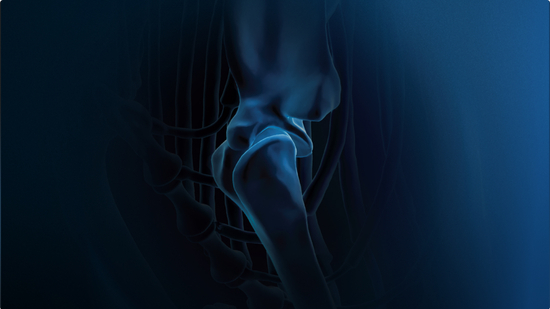
Shoulder
Shoulder surgery in small animals requires strong knowledge of anatomy, neurovascular structures, and the biomechanics that guide this complex joint.
-
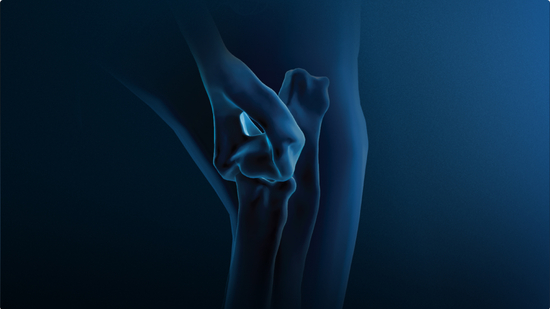
Elbow
Successful management of canine elbow disorders requires clear understanding of the joint's complex anatomy, ossification patterns, and biomechanical forces.
-
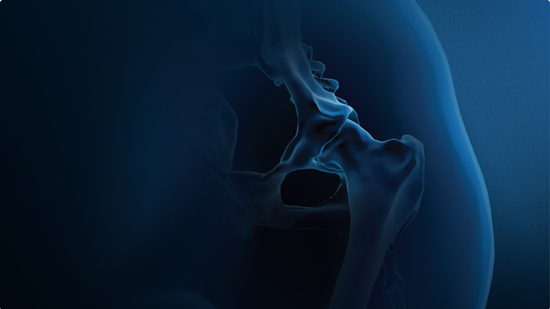
Pelvis
The canine hip's mobility and complexity require strong knowledge of anatomy and biomechanics to address issues from dysplasia to traumatic luxations.
-
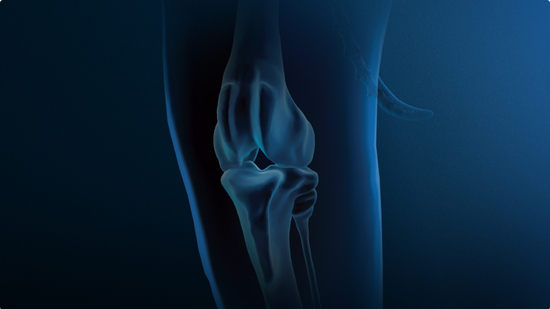
Stifle
The canine stifle is more than a hinge - it's intricate forces and alignment issues require mastery of anatomy, biomechanics, and common luxation patterns.
-
Trauma
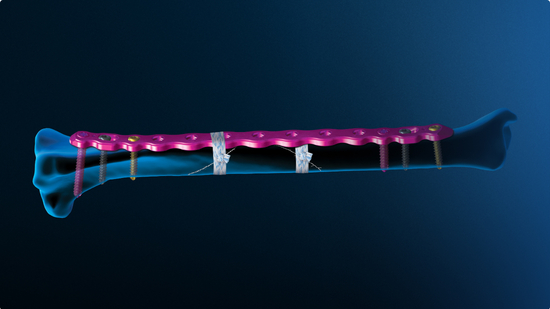
Managing musculoskeletal trauma in small animals requires understanding injury mechanisms, fracture patterns, and soft-tissue involvement to deliver effective care.
-
Biologics
Emerging biologic treatments are transforming veterinary surgery with cutting-edge approaches to bone healing, joint preservation, and wound repair.
-
Equine
Comprehensive management of equine orthopedic disease depends on detailed knowledge of anatomy, biomechanics, and the wide range of conditions affecting the equine patient.